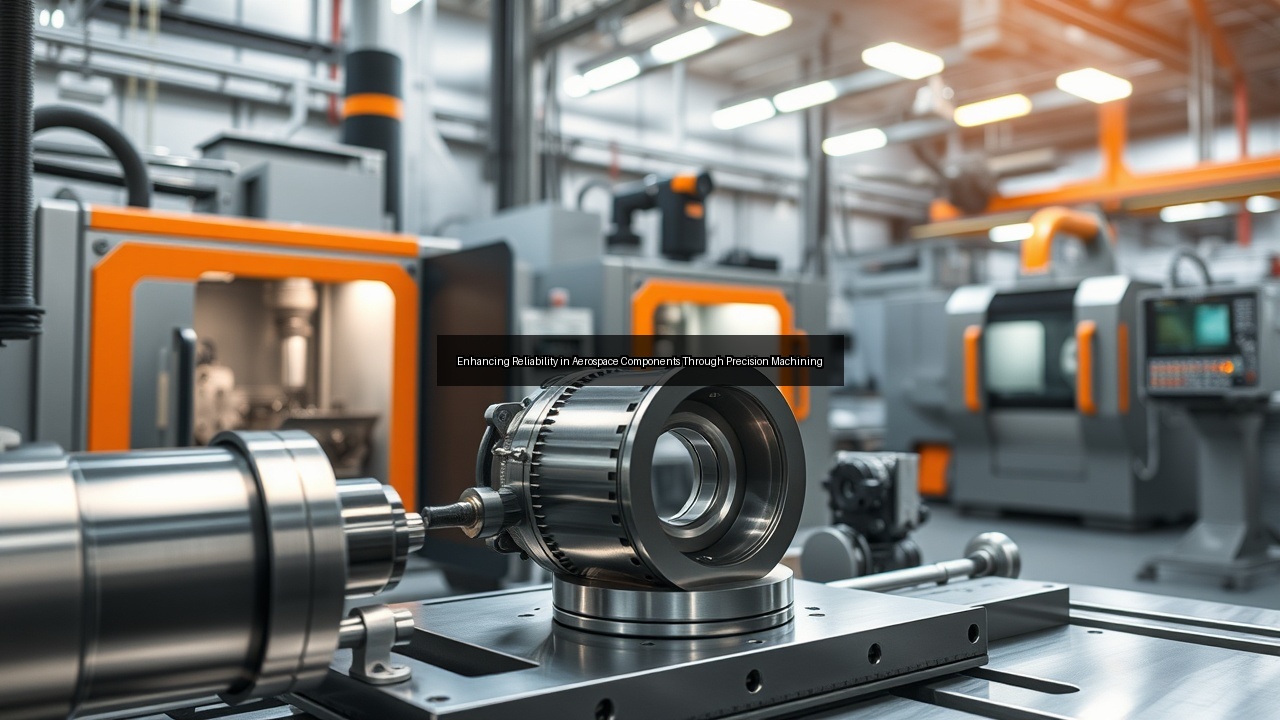
Enhancing Reliability in Aerospace Components Through Precision Machining
The Importance of Precision in Aerospace Machining
Defining Precision and Accuracy in Aerospace Components
Precision and accuracy serve as the foundation of aerospace machining services. Precision refers to the degree to which a process can produce consistent results, while accuracy indicates how closely a machined part aligns with its intended specifications. In the aerospace industry, even the smallest deviation can lead to catastrophic failures. Components such as turbine blades and engine parts must adhere to strict tolerances to ensure reliability. The machinists tasked with this work employ advanced techniques to achieve the high levels of precision required. This involves utilizing high-quality tools and machines that can handle the complexities of aerospace component machining, ensuring that each part meets the rigorous standards set by aviation authorities.
Key Materials Used in Aerospace Machining
Aerospace machining relies on a variety of specialized materials to manufacture components that withstand extreme conditions. Metals like aluminum, titanium, and cobalt play critical roles in the fabrication of lightweight yet durable parts. Aluminum alloys, for instance, offer an excellent strength-to-weight ratio, making them ideal for aircraft structures. Titanium, known for its high strength and corrosion resistance, is often used in engine components and airframe structures. Cobalt-based alloys provide exceptional wear resistance, making them suitable for turbine blades and high-stress applications. Understanding the properties of these materials allows machinists to select the right type for each application, enhancing the reliability and performance of aerospace components.
The Role of Machinists in Ensuring Quality
Machinists are the backbone of the aerospace machining process, responsible for transforming raw materials into intricate components. Their expertise ensures that every part meets stringent quality standards. Skilled machinists understand the nuances of various machining techniques, including CNC machining, milling, and turning. They also maintain tight control over machining parameters, such as feed rates and cutting speeds, to optimize tool life and surface finish. Continuous training and certification keep machinists updated on the latest advancements in aerospace manufacturing, enabling them to implement best practices that enhance component reliability. Their attention to detail and commitment to quality assurance directly influence the safety and performance of aircraft and spacecraft.
Advancements in Aerospace Machining Technologies
CNC Machining and Its Impact on Aerospace Services
CNC machining has revolutionized aerospace machining services by providing unparalleled precision and efficiency. This technology utilizes computer-controlled machines that can execute complex machining operations with remarkable accuracy. CNC machines can produce intricate geometries that traditional methods struggle to achieve, significantly reducing lead times and costs. The ability to automate processes minimizes human error, further enhancing the reliability of machined parts. Aerospace manufacturers have embraced CNC machining for producing components such as landing gear and structural frames, which require high precision and repeatability. As CNC technology continues to evolve, it opens new avenues for innovation in aerospace component manufacturing, streamlining production without compromising quality.
The Integration of Industrial Automation in Machining Processes
Industrial automation plays a crucial role in enhancing the efficiency of aerospace machining processes. Automated systems enable real-time monitoring and adjustments, ensuring that production runs smoothly and consistently. Robotics and automated material handling systems reduce the reliance on manual labor and improve safety by taking over repetitive tasks. This integration allows machinists to focus on more complex operations that require human expertise. Additionally, automated quality control systems can detect defects early in the production process, preventing costly errors and enhancing the reliability of components. As the aerospace industry moves toward more automated solutions, the potential for increased productivity and reduced operational costs becomes increasingly apparent.
Innovations in Tool Steel and Other Alloys for Aerospace
The development of advanced tool steels and alloys has significantly impacted aerospace machining capabilities. Modern cutting tools made from high-speed steel or carbide offer improved wear resistance and thermal stability, extending tool life and performance. Innovations in alloy compositions also contribute to the manufacturing of components that can endure extreme operating conditions. For example, the introduction of new stainless steel grades enhances corrosion resistance, making parts suitable for harsh environments. These advancements not only improve the quality of machined components but also optimize machining processes, allowing for faster production times and reduced waste. The continuous evolution of materials ensures that aerospace machining services remain competitive and capable of meeting the industry's ever-increasing demands.
Applications of Aerospace Machining in Various Fields
Machining Components for Military Aircraft and Missiles
Aerospace machining services play a vital role in the defense sector, particularly in the production of military aircraft and missiles. Components such as airframes, control surfaces, and propulsion systems require high precision to ensure optimal performance and reliability. The manufacturing of these parts involves the use of advanced machining techniques to achieve the necessary tolerances. Moreover, the materials selected must withstand extreme conditions, including temperature fluctuations and high-stress environments. Machinists dedicated to this field understand the critical nature of their work, as even a minor defect can compromise mission success. Therefore, rigorous testing and quality assurance protocols are essential to maintain the highest standards in military aerospace components.
The Role of Aerospace Machining in UAV and Spacecraft Development
Unmanned Aerial Vehicles (UAVs) and spacecraft represent some of the most cutting-edge applications of aerospace machining. The precision required for these technologies is unparalleled, as they often operate in challenging environments, such as high altitudes or outer space. Machining services focus on producing lightweight, durable components that meet specific requirements for aerodynamics and thermal resistance. For UAVs, parts like rotors, fuselages, and sensors require meticulous design and manufacturing processes to ensure aerospace parts machining optimal functionality. In spacecraft development, components such as structural elements and propulsion systems must adhere to strict safety and reliability standards. As the demand for UAVs and space exploration continues to grow, advancements in aerospace machining will play an increasingly important role in driving innovation in these fields.
Precision Machining for Turbine Blades and Engine Components
Turbine blades and engine components represent some of the most critical elements within aerospace engineering. These components must endure extreme temperatures and pressures while maintaining structural integrity. Precision machining techniques enable manufacturers to create turbine blades that achieve optimal aerodynamic performance. The use of advanced alloys, such as nickel-based superalloys, allows engineers to produce parts that can withstand the rigors of high-performance engines. Machinists utilize CNC machining and other advanced techniques to achieve the precise geometries required for these components. Thorough testing and quality assurance ensure that each part meets the demanding standards of the aerospace industry, enhancing the reliability of engines and overall aircraft performance.
Challenges and Solutions in Aerospace Component Manufacturing
Addressing Reliability Concerns in Aerospace Machining
Reliability concerns in aerospace machining stem from the complexity and precision required in manufacturing components. The stakes are high, as failure in any part can lead to disastrous consequences. To address these concerns, manufacturers implement rigorous quality control measures throughout the production process. This includes thorough inspections and testing of materials, as well as the use of advanced machining technologies. Additionally, employing skilled machinists who are trained to recognize and mitigate potential issues is crucial. Continuous improvement initiatives within the manufacturing process, along with adherence to industry standards, further bolster the reliability of aerospace components, ensuring that they meet the safety and performance requirements of the aviation sector.
Overcoming Material Limitations: Titanium, Aluminum, and Cobalt
Aerospace machining often faces challenges related to the limitations of materials like titanium, aluminum, and cobalt. While these metals offer superior properties, they also present unique machining difficulties. For instance, titanium's strength combined with its toughness can lead to tool wear and poor surface finish if not machined correctly. Similarly, aluminum's softness can result in deformation during machining processes if not managed properly. Cobalt, while excellent for high-temperature applications, can be challenging to machine due to its hardness and brittleness. To overcome these limitations, manufacturers invest in specialized tooling and advanced machining techniques. Furthermore, ongoing research into new alloys and machining methods aims to enhance the machinability of these critical materials, ensuring that aerospace components remain reliable and efficient.
Future Trends in Aerospace Machining Services and Their Implications
The future of aerospace machining services looks promising, with trends pointing towards greater automation and advanced materials. Innovations in 3D printing and additive manufacturing are transforming the way components are produced, allowing for more complex designs and reduced waste. As the aerospace industry seeks to lower costs and improve efficiency, these technologies will play a crucial role. The integration of artificial intelligence and machine learning into machining processes will enable predictive maintenance, minimizing downtime and enhancing reliability. These advancements will not only streamline production but also foster a culture of continuous improvement within aerospace manufacturing. As the industry adapts to these changes, the demand for skilled machinists who can harness these technologies will continue to grow, shaping the future landscape of aerospace component machining.