Ceramic Welding Backing How It Enhances Efficiency and Safety
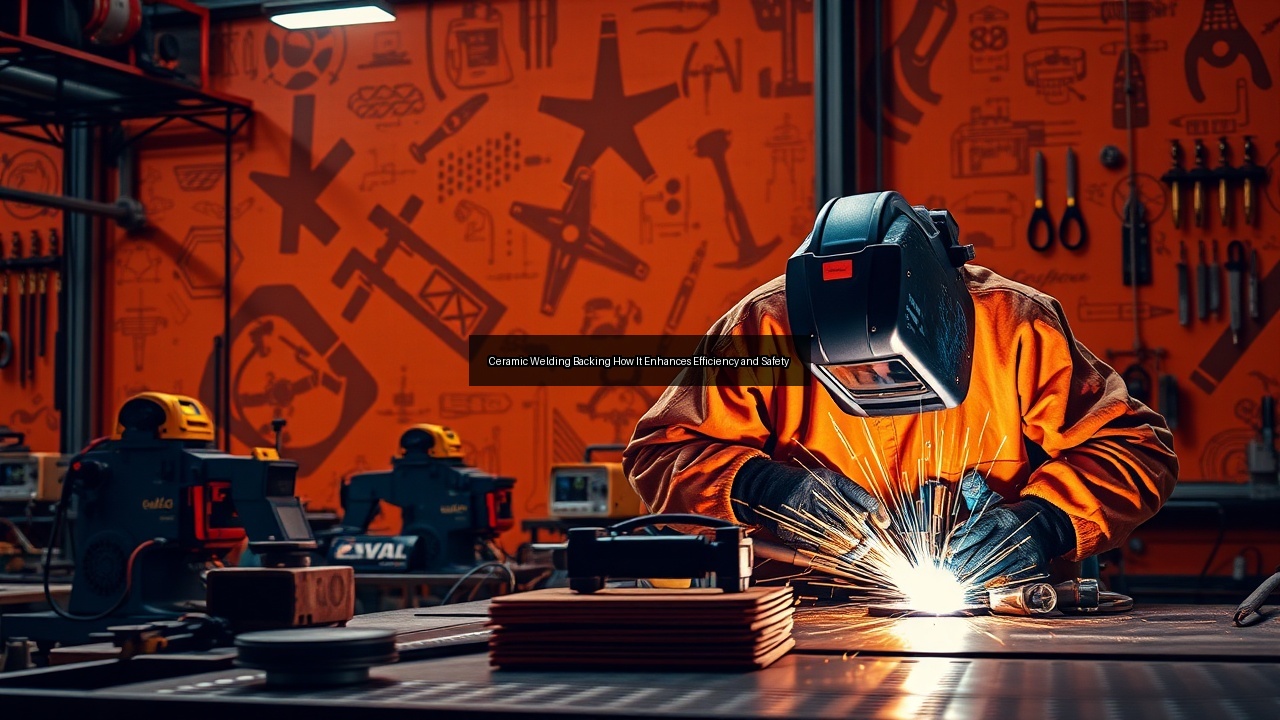
Understanding Ceramic Backing in Welding
What is Ceramic Backing?
Ceramic backing for welding provides a rigid support strip that sits behind the joint during fusion. Welders place these strips along the root to contain the molten pool and prevent burn-through. The material withstands extreme temperatures without melting or contaminating the weld metal. Fabricators cut the strips to match plate thickness and joint geometry, then secure them with adhesive or tape. Once the weld cools, removal leaves a clean bead with consistent reinforcement. Ceramic backing materials come in various widths, including popular 102mm sizes suited for thicker sections. This approach replaces temporary metal or flux backing and delivers repeatable results across multiple passes. Welders appreciate the simplicity because the ceramic stays in place even on vertical or overhead joints common in marine fabrication.
The Role of Ceramic Materials in Welding
Ceramic materials serve as thermal barriers and shape controllers in modern welding operations. Their high melting point allows the torch to deposit filler without distortion of the backing itself. Ceramics also resist chemical attack from slag and shielding gases used in MIG and GMAW. When positioned correctly, they guide the root bead into a uniform profile that meets code requirements for full penetration. Many shops combine ceramic backing with automated systems from Gullco International to maintain constant travel speed. The result is fewer repairs and reduced grinding time after welding. In practice, ceramic backing enhances both productivity and weld integrity because it eliminates the need for back gouging on one-sided joints.
Benefits of Using Ceramic Backing for Welds
Enhancing Weld Quality and Integrity
Ceramic backing for welds produces consistent root profiles that pass radiographic and ultrasonic inspection. The backing forces the weld metal to fill the joint completely, reducing lack-of-fusion defects. Welders report smoother transitions between passes because the ceramic maintains even heat distribution. This consistency proves valuable when working with aluminium or high-strength steels that demand precise control. Shops using ceramic backing materials notice fewer porosity issues since the strip blocks atmospheric contamination from the reverse side. Over time, these quality gains lower rejection rates and shorten inspection cycles. Fabricators also appreciate how the backing preserves the original geometry of the component without introducing additional stress risers.
Improving Efficiency in Welding Processes
Switching to ceramic backing for welding cuts setup time because operators skip back gouging and grinding steps. One-sided welding becomes feasible on pipes and vessels where access to the reverse side is limited. Gullco KATBACK systems further boost output by feeding ceramic strips automatically alongside the welding carriage. Welders complete joints faster and move to the next assembly without waiting for cool-down periods associated with metal backing removal. The lightweight nature of ceramic strips also reduces material handling costs compared with heavy steel bars. Overall cycle time drops noticeably on repetitive production runs in structural and pipeline work.
Safety Benefits for Welders
Ceramic backing improves welder safety by eliminating the need to work from both sides of large assemblies. Welders stay on one platform and avoid awkward positions that increase fatigue. The clean removal of ceramic strips after welding reduces exposure to grinding dust and sparks. Protective gear such as welding helmets and respirators still forms the first line of defense, yet the backing itself lowers overall hazard levels. In confined spaces common to shipyards, ceramic solutions minimize fire risks because they produce no flammable residues. Companies adopting these materials report fewer lost-time incidents tied to awkward postures and post-weld cleanup.
Applications of Ceramic Backing in Various Welding Techniques
Ceramic Backing in MIG and GMAW
MIG and GMAW processes benefit directly from ceramic backing because the strip supports the higher deposition rates typical of these methods. The backing contains the larger molten pool created by spray or pulsed transfer modes. Welders achieve full penetration on plate up to 25 mm thick without turning the assembly. Marine fabricators rely on this combination when building hull sections where access from the inside proves impractical. Ceramic backing materials also tolerate the shielding gas flow without introducing turbulence that could destabilize the arc. Shops standardize on specific strip widths to match wire diameter and travel speed, ensuring repeatable bead shape across long seams.
TIG Welding with Ceramic Backing
TIG welding demands precise heat control, and ceramic backing supplies the stable platform needed for autogenous or filler-added root passes. The material prevents the tungsten electrode from dipping into the joint and maintains the narrow gap required for high-purity welds. Fabricators working on stainless or nickel alloys value the clean surface left after ceramic removal because it requires minimal post-weld treatment. Automation packages pair ceramic strips with orbital heads to produce consistent results on tube-to-tube joints. The low thermal conductivity of the ceramic also helps maintain the focused arc characteristic of TIG without excessive heat spread into surrounding metal.
Utilizing Ceramic Backing in Plasma Cutting
Plasma cutting operations occasionally incorporate ceramic backing to support thin sections during bevel preparation. The strip prevents warping as the torch severs the metal and keeps the cut edge aligned for subsequent welding. Operators position ceramic backings beneath the plate to absorb residual heat and reduce dross adhesion. This practice proves useful when preparing aluminium or stainless components for later MIG or TIG joints. Integration with laser and plasma systems allows shops to move parts directly from cutting to welding without intermediate flattening steps, shortening overall lead times.
Comparative Analysis of Ceramic Backing Materials
Common Types of Ceramic Backing Materials
Manufacturers offer alumina-based, zirconia-enhanced, and mullite ceramic backing materials tailored to different temperature and chemistry demands. Alumina strips handle general carbon-steel work at moderate cost. Zirconia versions withstand higher preheat levels required for thick alloy welds. Some products arrive pre-glued with heat-resistant adhesive for quick application on curved surfaces. Welders select strip thickness according to plate geometry and expected amperage. Standard lengths allow coverage of long seams without frequent splicing, while custom shapes address complex joints in pressure vessels.
Performance Comparison with Other Backing Materials
Compared with copper or flux backing, ceramic options leave no metallic residue that could affect corrosion resistance. Copper conducts heat away too rapidly and can distort thin sections, whereas ceramic maintains stable support. Flux tapes sometimes introduce inclusions if not fully removed, but ceramic strips detach cleanly. Performance data from Voestalpine trials show ceramic backing materials produce equivalent mechanical properties with less labor. Shops weighing total cost favor ceramics when factoring reduced grinding and inspection time against the slightly higher upfront material price.
Future Trends in Ceramic Backing and Welding Technology
Innovations from Gullco International and Voestalpine
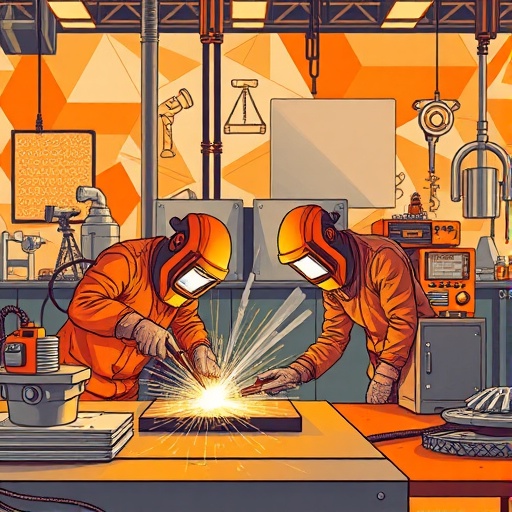
Gullco International continues to refine KATBACK feeders that synchronize ceramic strip delivery with welding carriages. Voestalpine develops advanced ceramic formulations resistant to aggressive fluxes used in submerged-arc applications. These partnerships yield backing products that survive multiple passes without degradation. New geometries allow ceramic strips to conform to compound curves found in wind-tower sections. Fabricators testing these updates report improved root quality on high-strength steels that previously required metal backing.
The Role of Automation in Welding with Ceramic Backing
Automation integrates ceramic backing into robotic cells where consistent placement determines joint success. Sensors verify strip alignment before the torch activates, preventing defects from misalignment. Gullco systems link the backing feeder directly to the robot controller so travel speed and strip feed remain matched throughout the weld. This closed-loop approach reduces operator intervention and supports lights-out production in high-volume facilities. Welders shift focus to programming and quality oversight rather than manual backing installation.
Sustainability and Environmental Considerations in Ceramic Welding
Ceramic backing supports sustainability goals because the material can be recycled after use in certain industrial streams. Reduced grinding lowers energy consumption and dust generation at the fabrication site. Manufacturers explore bio-based adhesives that release fewer volatile compounds during application. As regulations tighten around welding emissions, ceramic solutions help facilities meet targets by minimizing secondary operations that consume compressed air and abrasives. Continued development targets lower embodied energy in ceramic production while preserving the performance welders expect from modern backing systems.
See Also
- Mastering the Art of Welding with Ceramic Backings
- Ceramic Backing vs Traditional Materials Which is Better for Welds
- Unlocking the Power of Ceramic Backing in Welding Applications
- Exploring the Benefits of Ceramic Backing in MIG and TIG Welding
- Choosing the Right Ceramic Backing for Your Welding Projects