A Deep Dive into the Relationship Between Hub Flanges and Ball Bearings
Understanding Hub Flanges and Their Functionality
Definition of Hub Flanges
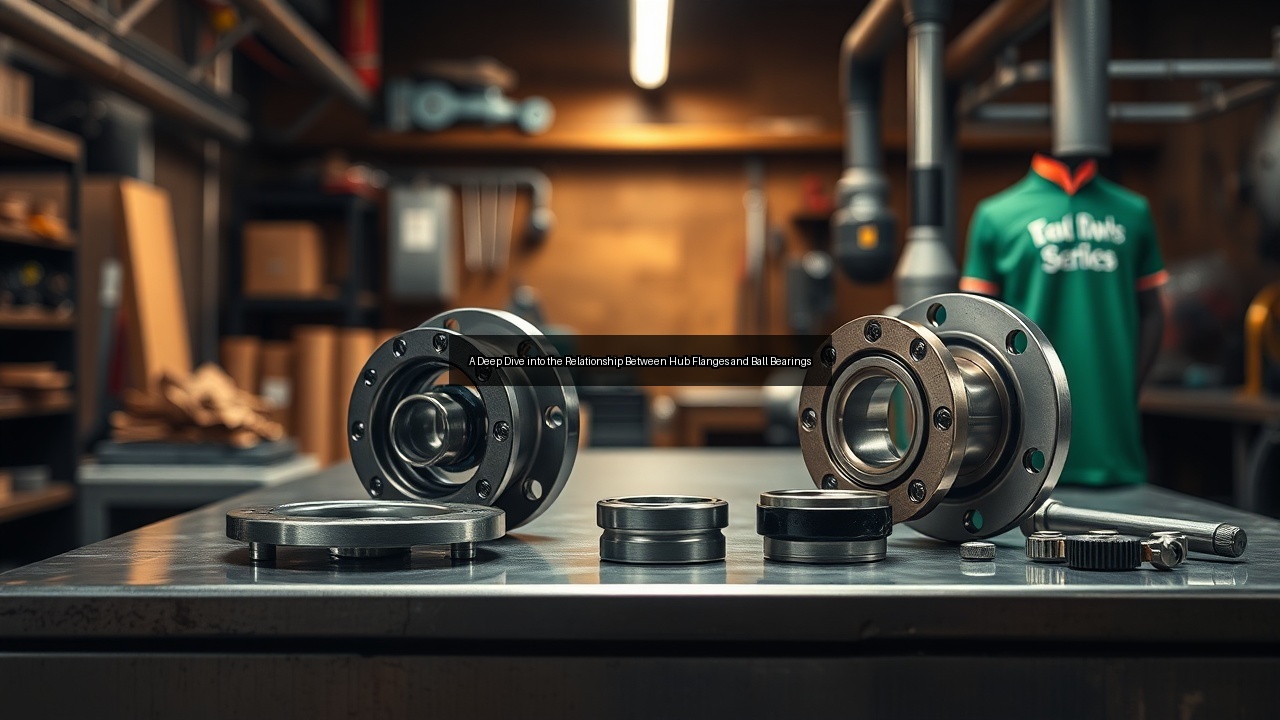
A hub flange serves as the critical mounting interface on a wheel hub that secures spokes, axles, or drive components while distributing loads evenly across the assembly. Engineers design these flanges with precise tolerances to align with flange ball bearing units, ensuring smooth rotation under high stress. In bicycle wheels and automotive axles, the hub flange integrates directly with bearings to reduce friction and maintain structural integrity. Manufacturers often machine hub flanges from aluminum or steel alloys to balance strength and weight. This component appears in everything from standard road bikes to heavy machinery, where the flange hub prevents misalignment during operation. Proper specification of a hub flange determines overall system durability and performance longevity.
Components of a Hub Flange
Hub flanges consist of several integrated parts including the central bore, mounting holes, and sealing surfaces that interface with bearings and bushings. The flange itself extends radially from the hub body, providing attachment points for spokes or bolts that transmit torque. Ball bearings sit inside the hub to support the axle, while set screws lock everything in position against vibration. Additional elements like dust seals and preload nuts fine-tune clearance for optimal function. In flanged hubs, these components work together to isolate loads and prevent contamination. Designers select materials for each piece based on application demands, such as corrosion resistance in marine environments or heat dissipation in racing setups. This modular construction allows easy upgrades when replacing worn bearings or adjusting fitment.
Importance of Hub Flanges in Mechanical Systems
Hub flanges play an essential role in maintaining wheel alignment and load distribution across rotating assemblies in vehicles and equipment. Without a robust hub flange, ball bearings experience uneven stress that accelerates failure and reduces efficiency. In cycling, these flanges enable lightweight wheel construction that improves acceleration and handling on varied terrain. Automotive engineers rely on flanged hubs to support suspension loads while integrating ABS sensors and drive shafts. Industrial machinery uses reinforced hub flanges to sustain continuous operation in conveyor systems and pumps. The design directly influences maintenance intervals and safety margins, making precise manufacturing standards non-negotiable. Systems with optimized hub flanges deliver consistent performance and lower energy consumption over extended service life.
The Role of Ball Bearings in Hub Flanges
Types of Ball Bearings Used with Hub Flanges
Mechanics commonly pair hub flanges with deep groove ball bearings for general applications or angular contact bearings in high-thrust scenarios like cornering forces on bicycles. Sealed cartridge units simplify installation in flanged hubs by protecting internal races from dirt and moisture. Some designs incorporate double-row configurations that increase load capacity without enlarging the overall hub diameter. Ceramic ball bearings offer reduced weight and lower rolling resistance for competitive cycling, while steel variants provide cost-effective durability in automotive and industrial uses. Each type must match the hub flange's bore dimensions and preload specifications to avoid binding. Selection depends on speed ratings, temperature exposure, and required service intervals. Proper matching prevents premature wear and maintains smooth wheel rotation.
How Ball Bearings Improve Performance
Ball bearings mounted within hub flanges minimize rotational friction, allowing wheels to maintain momentum with less pedaling effort or engine power. This efficiency translates to faster acceleration and reduced heat buildup during prolonged use. In Tom Pidcock's competitive setups, precision bearings in lightweight hub flanges contribute to responsive handling on technical courses. The design isolates vibrations from the rider or vehicle chassis, enhancing comfort and component lifespan. Bearings also enable tighter tolerances in flanged hubs, which improves braking response and cornering stability. Overall system efficiency rises when bearings match the hub flange's load paths, distributing forces evenly across contact points. This synergy supports higher speeds and longer distances before maintenance becomes necessary.
Common Issues with Ball Bearings in Flanged Hubs
Contamination from water, dust, or road debris often compromises ball bearings inside hub flanges, leading to pitting and increased drag over time. Overloading from impacts or improper preload causes raceway deformation and eventual seizure. Corrosion attacks unprotected bearings in wet conditions, while insufficient lubrication accelerates wear on both steel and ceramic options. Misalignment between the hub flange and axle introduces uneven forces that shorten bearing life. Mechanics frequently encounter these problems in bicycles exposed to mud or cars driven on salted roads. Regular inspection reveals early warning signs such as grinding noises or play in the wheel. Addressing issues promptly preserves the integrity of the entire flanged hub assembly and prevents cascading failures.
Applications of Hub Flanges and Bearings in Various Industries
Hub Flanges in Bicycle Design: A Case Study of Tom Pidcock
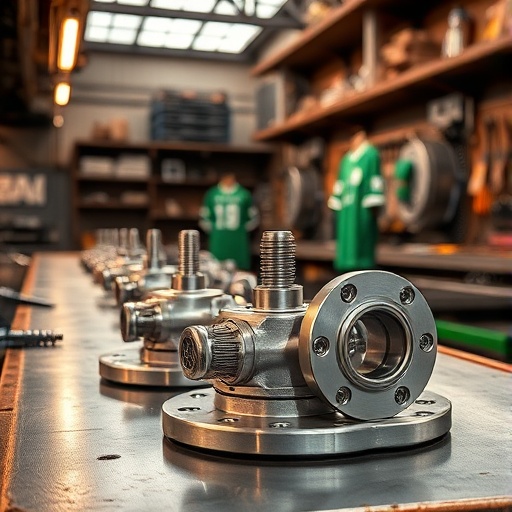
Tom Pidcock's racing bicycles feature custom hub flanges engineered for minimal weight and maximum stiffness, allowing rapid power transfer during climbs and sprints. These flanges integrate with high-end ball bearings to reduce rotational mass while handling the dynamic loads of off-road and road stages. Mechanics adjust set screws and preload to optimize bearing performance for specific race conditions. The design supports quick wheel changes during events, where reliability under fatigue matters most. Pidcock's equipment choices highlight how precise hub flange geometry enhances aerodynamics and responsiveness. Teams analyze data from training rides to refine bearing seals and flange materials for upcoming competitions. This focus on integration delivers measurable advantages in competitive environments.
Flanged Hubs in Automotive Engineering
Automotive engineers specify flanged hubs with integrated bearings to simplify assembly lines and improve vehicle dynamics. The hub flange bolts directly to the suspension knuckle, centering the wheel and supporting radial and axial loads from cornering and braking. Ball bearings in these units often include ABS tone rings for electronic stability systems. Manufacturers in regions like Bordeaux and Aurillac produce variants tailored for different vehicle weights and drivetrain layouts. Set screws or press-fit methods secure the assembly against vibration. Durability testing ensures performance across temperature extremes and mileage targets. This approach reduces unsprung weight while maintaining safety standards demanded by modern cars and trucks.
Industrial Applications: Bearings and Flanges in Machinery
Heavy equipment relies on robust hub flanges paired with large ball bearings to support conveyor rollers, pumps, and gearboxes under continuous duty cycles. The flange provides mounting stability while bearings handle combined radial and thrust forces from belts and shafts. In stock processing plants and manufacturing lines, sealed units protect against abrasive particles that would otherwise destroy precision surfaces. Maintenance crews use bushing replacements and set screw adjustments to restore alignment quickly during scheduled downtime. These components appear in everything from textile looms to food processing conveyors. Proper specification of hub flange dimensions and bearing ratings prevents unplanned stoppages and extends overall equipment reliability in demanding production settings.
Maintenance and Troubleshooting of Hub Flanges and Bearings
Signs of Wear in Hub Flanges and Bearings
Mechanics identify wear through increased wheel play, audible grinding from ball bearings, or visible scoring on hub flange surfaces. Heat buildup during operation signals inadequate lubrication or contamination inside the bearing races. In cycling wheels, loose spokes often indicate flange deformation from repeated impacts. Automotive drivers notice vibration through the steering wheel when bearings in flanged hubs begin to fail. Regular checks of set screws and seals reveal loosening or leakage that accelerates damage. Monitoring these indicators allows timely intervention before complete breakdown occurs. Early detection preserves surrounding components and avoids costly replacements in both recreational and commercial applications.
How to Replace Ball Bearings in Flanged Hubs
Technicians start by removing the wheel and extracting the old bearings with a dedicated puller tool that avoids damaging the hub flange. They clean the bore thoroughly, inspect for cracks or ovality, then press new ball bearings into position using an appropriate driver. Alignment ensures even contact with the flange faces. Reinstalling set screws secures the assembly at the correct torque specification. Lubrication follows manufacturer guidelines before final reassembly and spin testing. This process restores smooth operation in bicycle, automotive, and industrial hubs alike. Proper technique prevents future misalignment and extends service intervals significantly when performed correctly.
The Role of Set Screws in Securing Hub Flanges
Set screws clamp the hub flange to the axle or shaft, eliminating axial movement that could misalign ball bearings during rotation. Proper torque prevents loosening under vibration while avoiding thread damage from over-tightening. In bicycle wheels, these fasteners work alongside locknuts to maintain bearing preload across rough terrain. Automotive applications often combine set screws with locking plates for added security under high-speed conditions. Industrial machinery uses larger set screws rated for heavy loads to keep flanged hubs stable in continuous operation. Regular inspection of these small but vital parts ensures the entire assembly retains its designed performance characteristics. Replacement with corrosion-resistant options extends reliability in harsh environments.
The Future of Hub Flanges and Bearings
Innovations in Bearing Technology
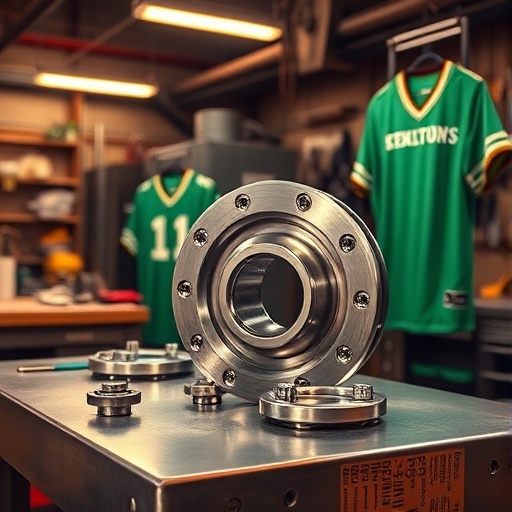
Engineers develop hybrid ceramic ball bearings that pair with advanced hub flanges to cut weight and friction further in high-performance wheels. Sensor-integrated units now monitor temperature and vibration in real time, alerting operators before failures occur in automotive or industrial settings. Improved seal designs extend service life in contaminated environments common to cycling and off-road use. These advances allow tighter integration between the bearing and flange surfaces for better load distribution. Manufacturers test new coatings that resist corrosion without adding bulk. The result is longer intervals between maintenance and higher efficiency across applications. Continued refinement promises even lighter, stronger components for demanding users.
The Impact of Lightweight Materials on Flanged Hubs
Carbon fiber reinforced polymers and titanium alloys enable hub flanges that weigh less while retaining or exceeding the strength of traditional metals. These materials reduce rotational inertia in bicycle wheels, directly benefiting acceleration and climbing ability. Automotive designers adopt similar composites to improve fuel economy without sacrificing durability in flanged hubs. Ball bearings benefit from matching weight reductions that lower overall unsprung mass. Production techniques like additive manufacturing allow complex internal geometries that optimize stress paths around bearing seats. The shift supports performance gains in competitive cycling and efficiency improvements in commercial vehicles. Material science continues to push boundaries for next-generation designs.
Trends in Cycling Gear: The Influence of Events like Tour de France Femmes
The Tour de France Femmes spotlighted innovative hub flange and bearing technologies as teams sought marginal gains in speed and reliability. Riders adopted lightweight flanged hubs with ceramic bearings to shave grams and improve rolling efficiency on mountain stages. Jersey contenders in the green jersey competition benefited from equipment that maintained performance through varied weather. Events held in locations such as Pau highlighted the need for robust seals against dust and rain. Manufacturers responded with updated designs that incorporate set screws for quick field adjustments. These trends influence consumer products, bringing professional-level durability to amateur cyclists. The competition drives ongoing refinement in wheel component integration.